Skip the Capital: The Regional Festivals Where British Film Actually Gets Born
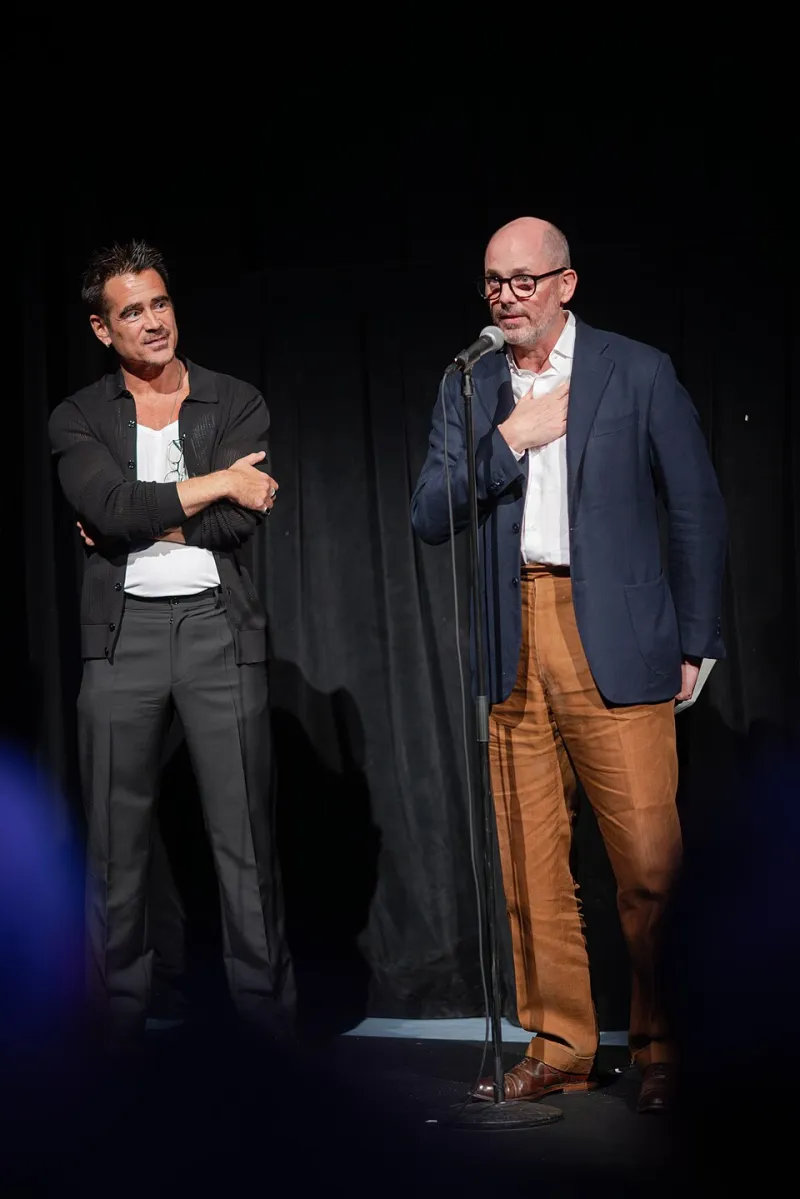
Photo: John Sears, CC BY-SA 4.0, via Wikimedia Commons
For years the story went like this: you made a film, you submitted it to London, you waited. If the capital's big beasts didn't bite, the film went in a drawer. But something has shifted, and it's shifted a long way from Zone 1. Right now, some of the most exciting premieres, discoveries and deals in British film are happening in seaside towns, market squares and converted mills hundreds of miles from Soho.
The regional festival scene has become the actual engine room of British indie cinema — and it's time you booked some annual leave around it.
Why the Regions Won
Talk to filmmakers and the same reasons come up. Regional festivals are run by people who watch every submission, not interns triaging a backlog of twelve thousand entries. Audiences ask questions that aren't about distribution strategy. Programmers take flyers on strange, unclassifiable work that a London marketplace would file under "difficult."
"My first screening was in a converted chapel in the Pennines," one director told us. "Ninety people, mostly locals, absolutely feral in the best way. A programmer was in the third row. That screening got me my distribution conversation. Nothing that happened in London came close."
There's also the not-insignificant matter of cost. A week at a coastal festival — bed, board, badge — can cost less than a single night in the capital. For a filmmaker on credit cards and goodwill, that maths decides everything.
The Calendar: Festivals Worth the Train Fare
Spring — Sheffield and the Doc Circuit. Sheffield's documentary scene remains the heavyweight, but the real joy is the smaller doc festivals orbiting it — single-screen affairs in Yorkshire towns where the Q&As run long and the pub afterwards runs longer.
Early Summer — The Coastal Premieres. From Cornwall to the Scottish borders, seaside festivals have mastered the art of the one-screen weekender: a handful of features, a beach, and an audience that turns up for everything because there's literally nothing else on. Perfect for a first feature's debut in front of a crowd that actually wants to be there.
Late Summer — The Horror Weekenders. Market-town horror festivals are a British institution hiding in plain sight. Picture a market square at dusk, a converted cinema or village hall, a midnight slot, and a crowd that has travelled specifically to be terrified. These weekends have launched more genre careers than any talent scheme going — programmers from the bigger streams now work the room like scouts at a football trial.
Autumn — The Northern Arthouse Cluster. When the leaves turn, the mill towns and valley towns of the North host a run of festivals that punch absurdly above their weight: new British features, restored rarities, and a hospitality culture that treats visiting filmmakers like returning family.
Winter — The One-Night Stands. Don't sleep on the micro-festivals — single-evening shorts programmes in pubs, warehouses and village halls. They're where programmers find their next year's headliners, and where you'll see the boldest work being made right now.
How to Do It Properly
Buy the full pass, not the day ticket — the gaps between screenings are where the festival actually happens. Talk to the volunteers; they know which films the programmers are quietly excited about. And for heaven's sake, stay for the last night. Every festival veteran will tell you the same thing: the film that everyone's talking about next year premieres in the least glamorous slot on the schedule, in a town you'd never otherwise visit, in front of sixty people who won't forget it.
London will always have its gala red carpets. But British cinema is being made, seen and championed everywhere else first. Fill the tank, book the B&B, and get there before everyone else does.