The Invisible Restorers: Inside Britain's Underground Network Saving Cult Films from Oblivion
Photo: Rowland Scherman / Adam Cuerden, Public domain, via Wikimedia Commons
Every film festival season, a handful of titles appear on programmes with a particular designation that makes dedicated cinephiles sit up: newly restored, or first screening in 30 years, or simply recovered. These words carry a quiet drama. They suggest a story behind the film itself — of something nearly lost, and the effort it took to bring it back.
What those programme notes rarely tell you is who actually did the work. The restoration credits, when they appear at all, tend to be institutional — a laboratory name, a funding body, a university department. The individuals involved, often working voluntarily or on minimal wages, remain almost entirely invisible to the audiences who benefit from their labour.
Britain has a richer tradition of this kind of grassroots film rescue work than most people realise, and it feeds directly into the festival circuit and indie cinema programming that defines the away-day experience for so many of us.
What Restoration Actually Means
The word itself covers an enormous range of activity. At the high end, it means professional laboratory work — frame-by-frame digital cleaning, colour grading from original camera negatives, new sound mixes from separated audio elements. This is expensive, technically complex and usually requires institutional backing.
But the majority of British cult and indie film restoration happens at a far more improvised level, and that's where the real stories live.
A film society volunteer spending their weekends digitising deteriorating VHS tapes of 1980s British horror films. A retired BBC engineer who's turned his spare room into an informal telecine suite and quietly transferred dozens of regional documentary films that would otherwise be gone. A postgraduate film student whose dissertation project became an accidental rescue mission for a lost low-budget feature from the early 1990s. These people exist, they're doing extraordinary work, and almost nobody outside their immediate circles knows about them.
The VHS Problem Nobody Talks About
For films from roughly 1980 to 2000, the preservation situation is genuinely alarming. An enormous amount of British indie and cult cinema from this period exists only on VHS — either because it never received a theatrical release, or because the original film elements were lost, damaged or simply discarded when the production companies folded.
VHS degrades. Magnetic tape deteriorates over time, and the process accelerates if the tapes have been stored poorly, which most private collections have been. The window for recovering usable footage from many of these tapes is closing, and it's closing fast.
Several grassroots initiatives have emerged specifically to address this. Groups operating through university film societies and regional arts organisations have begun systematic efforts to identify, acquire and digitise collections of VHS-only British films before the tapes become unplayable. The work is painstaking, unglamorous and almost entirely grant-funded in small increments — a few hundred pounds here, a piece of donated equipment there.
"We transferred about forty titles last year," says one volunteer coordinator involved in a northern England-based project that declined to be identified by name. "Some of them are genuinely remarkable films that nobody's seen since their original release. A couple have already ended up in festival programmes. Most of them will just go into an archive somewhere and wait. But at least they'll be there."
The Lab Ecosystem
Beyond the volunteer sector, Britain has a small but significant cluster of specialist facilities doing commercial restoration work on cult and indie material. These labs occupy an interesting position — they're professional operations, but they frequently take on projects that make no strict commercial sense, driven by their staff's genuine passion for the material.
The relationship between these labs and the festival circuit is closer than most audiences appreciate. When a film like a rediscovered 1970s British horror or a long-unseen kitchen-sink drama turns up as a surprise highlight of a festival programme, there's often a lab somewhere in the background that agreed to do a transfer at cost, or a colourist who spent unpaid overtime getting a print looking right because they believed in the film.
This informal economy of goodwill is what makes a significant portion of Britain's cult film revival possible. It's also extremely fragile. Labs close, specialists retire, institutional priorities shift. The knowledge required to work with certain formats — Super 8, early video formats, specific film stocks — is held by a shrinking number of people.
University Film Societies: An Underrated Force
One of the more surprising contributors to British film preservation is the university film society sector. Several institutions — particularly those with dedicated film studies departments — have developed genuine archival capabilities, often as a byproduct of academic research projects.
Students working on theses about British regional cinema or independent film movements from specific eras have, in a number of cases, ended up doing original preservation work as part of their research. Tracking down original elements, negotiating access with rights holders, arranging transfers — these are skills that academic film programmes are increasingly recognising as legitimate scholarly contributions.
The results sometimes feed directly into public screenings. A restored short programme assembled by a university film society has appeared at more than one British film festival in recent years, introducing audiences to work that had been effectively inaccessible for decades.
Why This Matters for Festival Culture
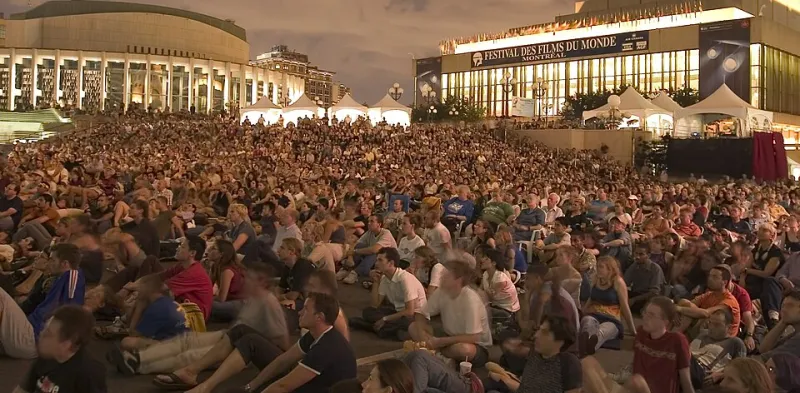
For anyone who makes regular cinema away days to film festivals — whether that's a regional event like the Leeds International Film Festival, a specialist gathering like the Grimmfest horror festival in Manchester, or a summer outdoor screening series — the work of Britain's restoration community is the hidden infrastructure of your experience.
The discovery screenings, the archive retrospectives, the surprise late-night rarities that generate the most excited conversation in festival queues — these depend on someone, somewhere, having done the quiet, unglamorous work of keeping a film alive long enough to be rediscovered.
Supporting venues and festivals that programme restored and recovered work is one way to acknowledge this. Paying attention to restoration credits when they appear is another. And if you happen to be at a post-screening Q&A where someone from the archival or restoration side of a project is present, ask them about their work. The stories are genuinely extraordinary, and the people telling them have earned a much larger audience than they usually get.