The Quiet Pact: Decoding the Unwritten Rules of Britain's Independent Screens
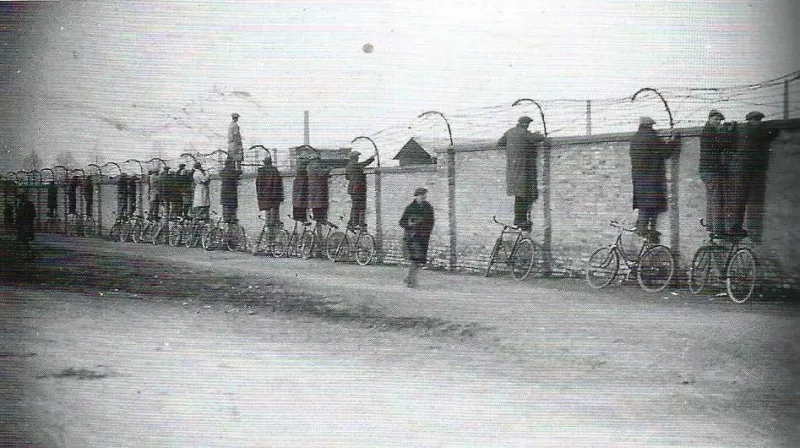
Photo: Unknown photographer, Public domain, via Wikimedia Commons
The silence before the title card
There is a specific moment in an independent cinema, thirty seconds or so before the lights go down, when a room full of people who have never met make a decision together. The chatter drops. Coats come off. Someone stops scrolling. It's not silence exactly — there's still the rustle of a bag, the creak of a seat — but it's a shift, and everyone feels it.
Try explaining that to someone who only goes to the multiplex. They'll tell you it's a bit much. And they'd be half right. But the half that isn't right is the half worth defending.
Nobody is asking you to dress up
The word 'etiquette' makes indie cinemas sound like a gentleman's club with a projector. It isn't. Nobody is checking your shoes. The dress code is a clean-ish jumper. The only qualification for entry is a ticket and a willingness to sit in the dark with other people.
The rules, such as they are, are almost all about one thing: not spending ninety minutes making somebody else's evening slightly worse. That's it. That's the whole code.
The phone thing, again
We've all had the conversation. The person who checks their messages at half brightness, convinced they're being subtle, unaware that in a dark room a phone screen is roughly as discreet as a flare. It's not about being a luddite or pretending you don't own a smartphone. It's that the room has agreed to look at one thing and your screen asks them to look at another.
A lot of independent venues now say it once, gently, before the film. That's the correct approach. One reminder, no lecture, then everyone gets on with it.
Crunching is a class issue, apparently
Here's a hill I'll die on: the war on snacks has gone too far. Yes, a bag of crisps opened at the quietest moment of a slow, sad film is a small act of violence against everyone around you. But a bag of Maltesers eaten steadily during a comedy is not a crime against art.
The real test is whether anyone else can hear you over the film. If they can, you're the problem. If they can't, crack on.
What we're actually objecting to is unpredictability — the sudden noise, the thoughtless noise. Bring a crunchy snack by all means. Just open it before the title card like the rest of us.
Aisle seat politics
There is a whole social system at work in the seating plan, and it's more sophisticated than anything in Westminster.
The aisle seat is a commitment. Taking it means you have accepted responsibility for letting people past, and you will do so without a performance of suffering. The middle of a row is a statement of confidence. The back row is for people who want to leave quickly, or who are tall, or both.
What you must never, ever do is take an aisle seat and then refuse to move for someone with a weaker bladder or a longer journey. That's not etiquette. That's just being a bad citizen with a ticket.
Leaving early
Life happens. Trains get cancelled, babysitters have limits, and sometimes a film is simply not for you. Slip out quietly, apologetically, with your head low. Nobody will remember.
What people remember is the person who leaves twice. Or the person who announces their departure. Or — worst of all — the person who stays to the end and then explains, loudly, to their companion, in front of everyone, exactly why it was rubbish. Save it for the pub. That's what the pub is for.
Why the rituals matter
Because a room full of strangers agreeing to be quiet together is not a trivial thing. It's one of the last bits of shared public life we've got that doesn't require a subscription, an identity or an opinion. You turn up, you sit down, you give something your attention, and forty other people do the same.
That's the whole trick. The rules aren't there to keep people out. They're there so everyone can get in — and for ninety minutes, belong.