Bag on the Rack, Eyes on the Screen: How to Plan a Proper British Cinema Crawl

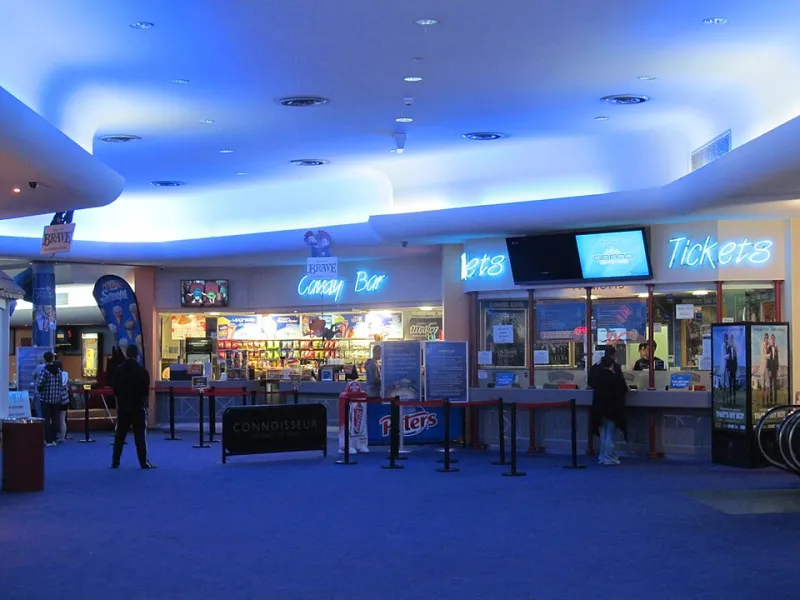
Photo: Bryan Chan from Toronto, Canada, CC BY-SA 2.0, via Wikimedia Commons
Start with the map, not the films
Most cinema weekends fall apart at the first move: somebody opens a listings page, finds three films they like the sound of, then tries to bend a city around them. A proper crawl works the other way round. Pick the rooms first — ideally four or five within a couple of miles of each other — and let the programme fill in the gaps once you know where your backside is going to be sitting.
Leeds is close to perfect for this. Hyde Park Picture House at one end, a handful of smaller screens scattered north and west, and a bus that gets you between them in under ten minutes if the weather turns. Sheffield hands you the Showroom and then a short hop to the community rooms and pub back rooms that screen the things nobody else will touch. Newcastle has the Tyneside and the Star and Shadow, which between them cover about eighty years of cinema history and four completely different ideas about what a seat should feel like. Bristol, Glasgow and Manchester all run the same play: one big arthouse anchor, then a ring of smaller, odder rooms around it.
The rule of thumb is blunt. Never build a crawl that depends on public transport twice in one afternoon. Every bus you add is another chance to miss a title card.
The Travelodge doctrine
You are not on holiday. You are on manoeuvres. Book the cheapest bed within walking distance of your first venue and treat the room as a locker with a kettle attached. Check-in at three, bag down, coat off, out the door by half four. The mid-range chains are ideal precisely because they are forgettable: nobody has ever had a transcendent cultural experience in a budget hotel corridor, which means you won't be tempted to linger in one.
If you can stretch to a venue-adjacent guesthouse, do it for the second night only. Sunday morning is when you want a cooked breakfast and a ten-minute walk rather than a rucksack on a Northern service.
Ticket tactics
Book your anchor screenings in advance — the Saturday evening slot and anything with a single showing — then leave the rest open. Independent venues hold back door tickets far more often than the chains do, and half the pleasure of a crawl is deciding at 2pm that you fancy the 4:15 instead.
Memberships are worth a look if you're hitting three or more screenings at the same venue, but don't sign up for anything you won't use again. A lot of smaller rooms run pay-what-you-can Mondays, cheap matinees and £5 slots for under-25s. Check the website, not the aggregator, because the aggregator is frequently three days out of date.
And buy the ticket even if you're running late. A no-show costs the venue the seat and the goodwill.
The pacing problem
Five screens in two days sounds heroic and is actually about two and a half films a day once you account for trailers, queueing and the walk between rooms. Do not schedule a three-hour epic at nine in the evening if you've got a nine o'clock train. Do not schedule three subtitled films back to back unless you genuinely enjoy reading.
The classic mistake is treating the crawl like a festival. It isn't. Festivals are sprints with badges. This is a stroll with a good jacket on. If you find yourself checking your watch during the second feature, that's not a failure of the film, it's a failure of the itinerary.
Food is part of the route
Plan one proper sit-down meal a day and let the rest be opportunistic. The pub nearest the venue is usually the right answer, and it's also where you'll overhear the best conversations about what you've just watched.
Keep a meal deal in the bag for emergencies, but never eat it in the auditorium. Which brings us neatly on.
Etiquette in five different rooms
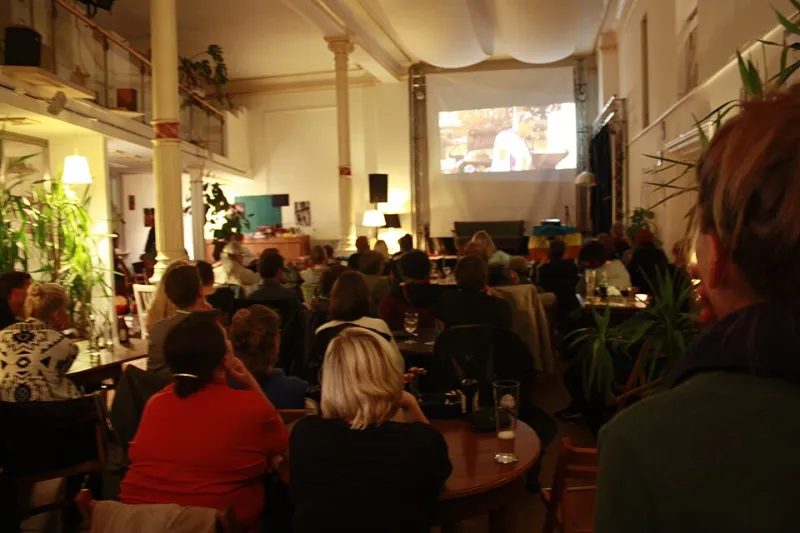
Every venue has its own weather. The big arthouse runs on polite silence and a certain reverence; the volunteer-run room upstairs runs on raffle tickets and someone's mate doing the introduction. Read the room within thirty seconds of sitting down and match it. Don't be the person who shushes a crowd that's clearly there for a laugh, and don't be the person whooping in a room that's holding its breath.
Aisle seat on the way in, middle seat if you're confident, back row if you're tall. Never leave a single empty seat between you and a stranger in a half-full screen — it's the cinema equivalent of parking across two bays.
The Sunday comedown
Finish with something short. A ninety-minute film and a walk to the station beats a bloated finale and a sprint for the last train. On the way home, write down the three things you want to see next time. That's the crawl planning itself for next year, and it costs nothing.