Small Gauge, Big Swing: The UK Cinemas Quietly Falling for 16mm
There's a format war happening in British independent cinema, and most people haven't even clocked that 16mm is in the running. The conversation tends to collapse into the familiar binary: 35mm purists on one side, digital pragmatists on the other, both camps fairly convinced the other lot are either romantics or philistines depending on which side of the argument you're standing on. But somewhere in the middle — and gaining ground faster than anyone expected — a third option has been quietly accumulating devotees.
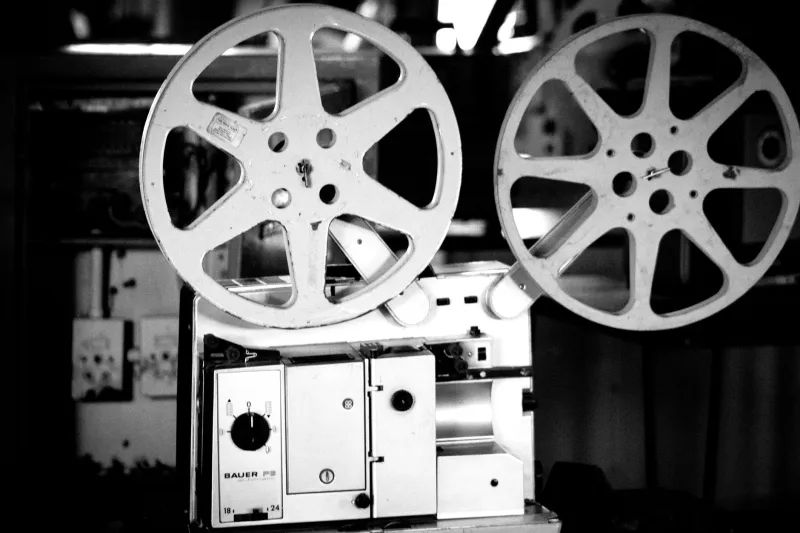
Small gauge. The format that used to mean school corridors and church halls. The one your nan might have used to film a holiday in Lanzarote. 16mm is, improbably, having a moment — and a growing number of UK indie venues are betting their programming identity on it.
Why 16mm? Why Now?
The economics of celluloid projection have never been particularly forgiving, but 35mm has become punishingly expensive for smaller venues. Prints are scarce, restoration costs are astronomical, and sourcing anything outside the established canon requires the kind of detective work that eats into programming time most venues simply don't have. Digital, meanwhile, has solved the access problem but introduced its own kind of sterility — DCP files that look identical whether you're watching in a 400-seat theatre in Manchester or a converted warehouse in Margate.
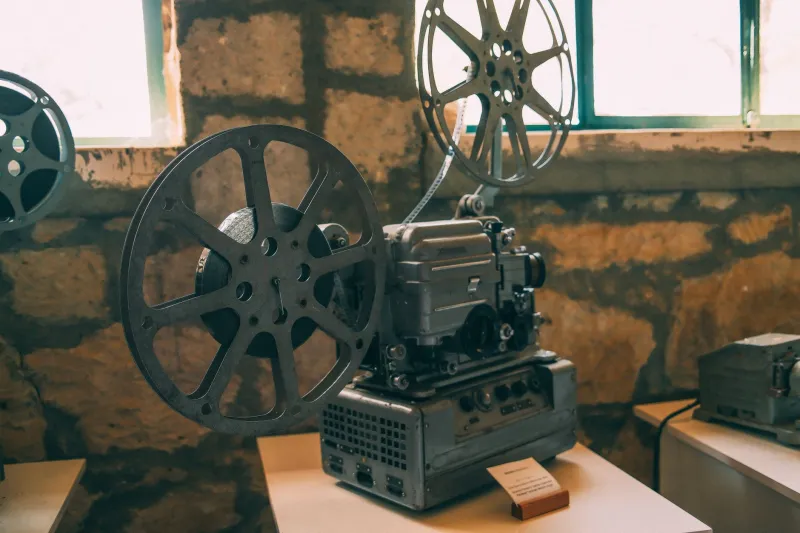
16mm sits in an interesting gap. Projectors are cheaper to acquire and maintain. Prints — particularly for experimental, documentary, and short-form work — are more plentiful than most people assume. And crucially, the format carries a visual texture that's entirely its own: warmer than 35mm in some lights, grainier in others, with a flicker and a softness that feels less like a technical limitation and more like a deliberate aesthetic choice. Which, increasingly, it is.
"We weren't looking for a gimmick," says one programmer at a small arts cinema in the East Midlands, who's been running a dedicated 16mm strand for the past two years. "We were looking for a way to screen work that genuinely couldn't be seen anywhere else locally. A lot of the films we wanted to show don't exist as DCPs. Some of them barely exist at all. 16mm was the only realistic way in."
The Print Problem — and Why It's Actually an Advantage
One of the more counterintuitive arguments you hear from 16mm advocates is that scarcity is part of the appeal. Not in a gatekeeping sense, but in the sense that working with 16mm forces a venue to think carefully about what it's showing and why. You can't just pull a DCP from a server and slot it into the schedule. You have to track down the print, arrange transport, check the condition, build the screening around the physical object.
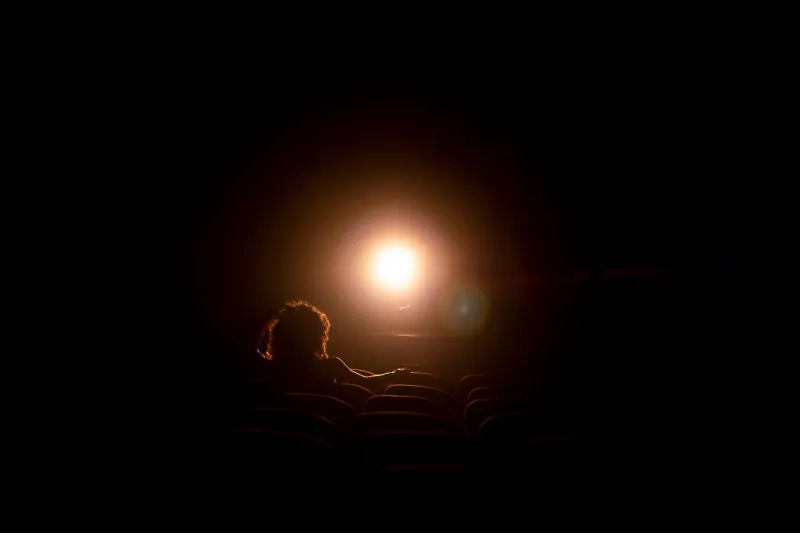
That process, cumbersome as it sounds, tends to produce more considered programming. Venues running 16mm strands frequently report that audiences engage differently with the screenings — there's a sense of occasion that's harder to manufacture with digital projection, however good the picture quality. The equipment is visible. The projectionist is present. Something is happening in the room that feels live in a way that even the best digital presentation can struggle to replicate.
Several venues have leaned into this deliberately, designing their 16mm nights around the format itself rather than treating it as a delivery mechanism. Pre-screening talks about the print's provenance. Post-film discussions about the viewing experience as much as the film's content. The medium, in other words, as part of the message.
Who's Actually Doing This?
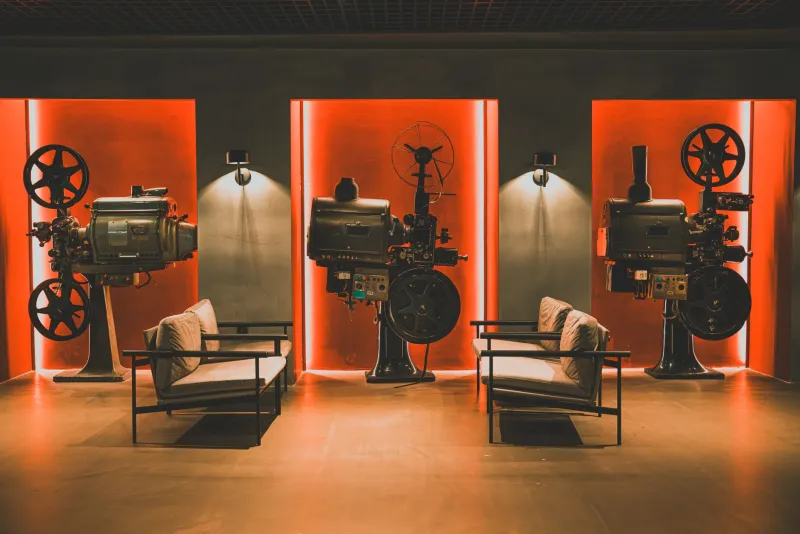
The 16mm revival — if that's not too grand a word for what remains a genuinely niche pursuit — is concentrated, perhaps unsurprisingly, in the kinds of venues that were already operating at the experimental edge of British independent exhibition. Arts centres with an eye on moving image as a discipline rather than just entertainment. Micro-cinemas that emerged from gallery spaces. Film clubs attached to universities with media arts departments that still have working 16mm equipment gathering dust in storage.
But it's not exclusively an academic or art-world phenomenon. Some of the most enthusiastic 16mm programmers are running what you'd recognise as straightforward community cinemas — venues that just happen to have decided that a monthly 16mm night is a better use of their energy than competing with the multiplexes on new releases.
A programmer in the north of England who runs a 16mm documentary strand described the audience for it as "people who've stopped being satisfied with convenience." Which is a slightly withering way of putting it, but not inaccurate. The audiences turning up for 16mm screenings tend to be self-selecting in ways that make for unusually engaged rooms. They know something particular is happening. They've made a choice to be there that goes beyond simply wanting to watch a film.
The Practical Realities
None of this is without complications, and anyone suggesting 16mm is a straightforward solution to anything is probably selling something. Projectors require maintenance, and finding engineers with the relevant expertise is getting harder rather than easier. Print condition varies wildly, and the discovery that a print is more damaged than anticipated — often made at the worst possible moment — is an occupational hazard that 16mm venues simply have to absorb.
Licensing can be murky too. The rights landscape for older 16mm prints is often tangled, and some venues have found themselves in legally ambiguous territory when screening prints sourced from private collections or archives operating outside the mainstream distribution system. It's the kind of thing that requires careful navigation and, usually, a willingness to accept a degree of uncertainty that wouldn't be tolerated in a more commercially oriented operation.
Storage is another consideration. 16mm film stock requires specific conditions to remain in decent shape, and venues that have committed to building their own small print libraries — rather than borrowing from archives for individual screenings — have had to think seriously about humidity, temperature, and long-term preservation in ways that go well beyond what digital exhibition demands.
The Argument Worth Having
What makes the 16mm conversation interesting, beyond the practical details, is what it reveals about the values of the venues pursuing it. The choice to invest in 16mm projection isn't driven by nostalgia, or not primarily. It's driven by a conviction that the format unlocks access to a body of work — experimental, documentary, short-form, international — that is otherwise functionally invisible to most British audiences. And by a belief that the experience of watching film on film, whatever the gauge, produces something qualitatively different from digital exhibition.
Whether that belief justifies the considerable effort involved is a question each venue has to answer for itself. But the fact that more of them are answering it in the affirmative — quietly, without much fanfare, just getting on with it — suggests that the 16mm gamble is looking less like a long shot than it did even a few years ago.
Somewhere between the 35mm faithful and the digital mainstream, a small but determined cohort of British indie venues has found a format that works for them. Small gauge. Big swing. It's paying off more often than not.