Shout at the Screen: The Glorious Chaos of Britain's Interactive Screenings
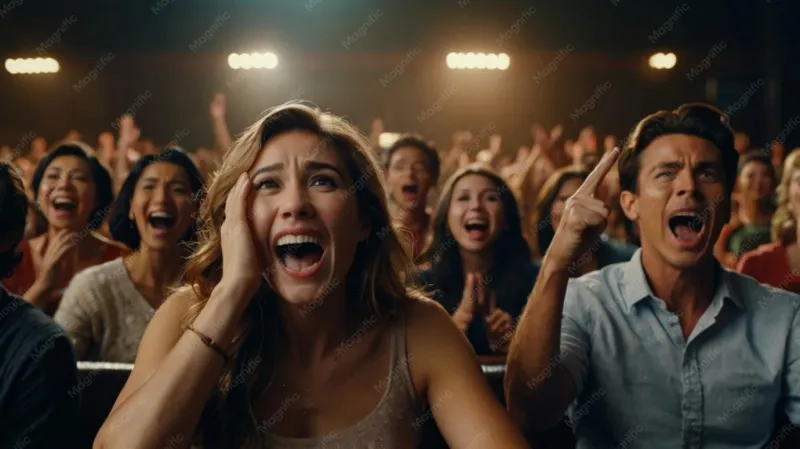
Photo: audience cheering cinema screening crowd participation event, via img.freepik.com
There's a particular sound a packed indie cinema makes when three hundred people simultaneously scream at a projected vampire. It's not silence, that's for sure. And according to the programmers we spoke to, it's the sound of sold-out signs going up faster than anything else on their schedules.
Interactive screenings — sing-alongs, quote-alongs, boo-the-villain pantomime nights, horror marathons where audience participation is the whole point — have quietly become the most reliable box office draws on the UK's independent circuit. And the people who run them will tell you, with a straight face, that it's the hardest work they do.
It's Pantomime, Innit
Let's be honest with ourselves: British audiences have never fully bought the idea of sitting quietly in the dark. We invented pantomime. We heckle. We've been shouting "he's behind you" at large men in dresses since before cinema existed. The interactive screening isn't some American import — it's the oldest British theatrical tradition wearing a new frock.
"People think it's the easy option," one programmer at a Yorkshire picture house told us. "It's the opposite. A sing-along needs lyric timing checked to the frame, a warm-up host who can read a room, and a crowd that feels safe being silly. Get it wrong and it's a wake. Get it right and people book the next one before they've left the building."
The horror nights are their own discipline. Primal-scream screenings — where the audience is actively encouraged to yell at the hapless victims — rely on a delicate social contract. Someone has to scream first. Usually it's the host. After that, it's a release valve, and a room full of strangers behaves like a crowd at a cup tie.
The Purists Are Missing the Point
There's always someone ready to declare that shouting at the screen isn't "proper" cinema — that the sanctity of the darkened auditorium is being defiled by people who've seen the film before and have the audacity to enjoy it communally.
To which we say: have you read any history? Early cinema was rowdy. Music hall didn't do reverent silence. The quiet, hushed, eyes-forward moviegoing experience is the historical anomaly, not the rule. And for every person who'd rather watch a Tarkovsky restoration in monastic silence — a perfectly valid and beautiful way to spend an evening — there's someone for whom a quote-along is the doorway into cinema culture in the first place. They come for The Rocky Horror Picture Show and leave with a season pass.
Communal viewing isn't a debasement of the form. Arguably, in an age when every film can be watched alone on a phone at 1am, it's the last defence of the whole idea that films are better shared.
The Practical Comedy of Running One
The logistics are genuinely funny. Programmers describe sourcing prop bags (rice, toast, water pistols — the Rocky Horror starter pack), negotiating with licensing bodies about whether the audience singing counts as a performance requiring extra clearance, and sweeping toast out of the aisles at midnight.
One London programmer keeps a spreadsheet titled "things thrown, ranked by damage," which is the most honest piece of arts administration in Britain.
And yet the crowds keep coming, and keep behaving better than anyone expects. There's something about being given explicit permission to make noise that makes people strangely responsible with it. The room self-polices. Nobody wants to be the person who ruined it.
Go On, Have a Shout
If you haven't been to one: go. Pick a film you know too well, find a screening that invites you to sing, scream or boo, and leave your dignity at the box office. The purists will write their think pieces. The rest of us will be in the front row, badly harmonising, having the time of our lives.
Cinema was never meant to be a library. Sometimes it's a sing-song, and that's exactly as it should be.