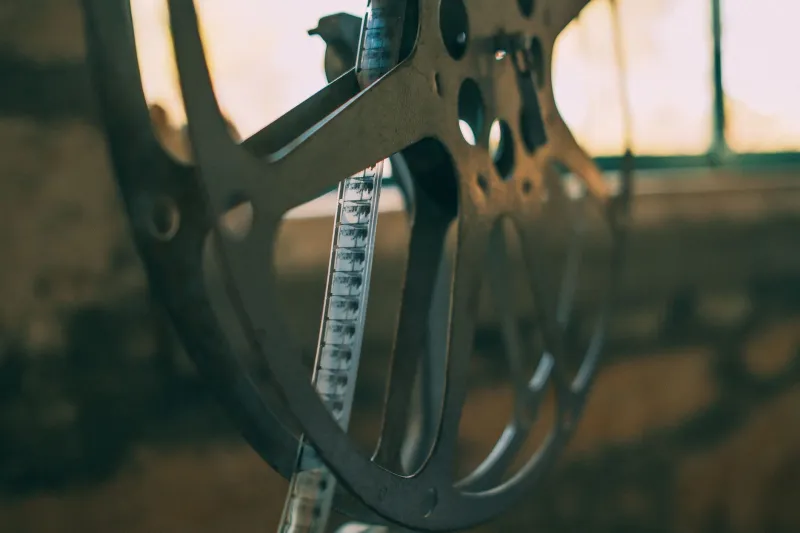
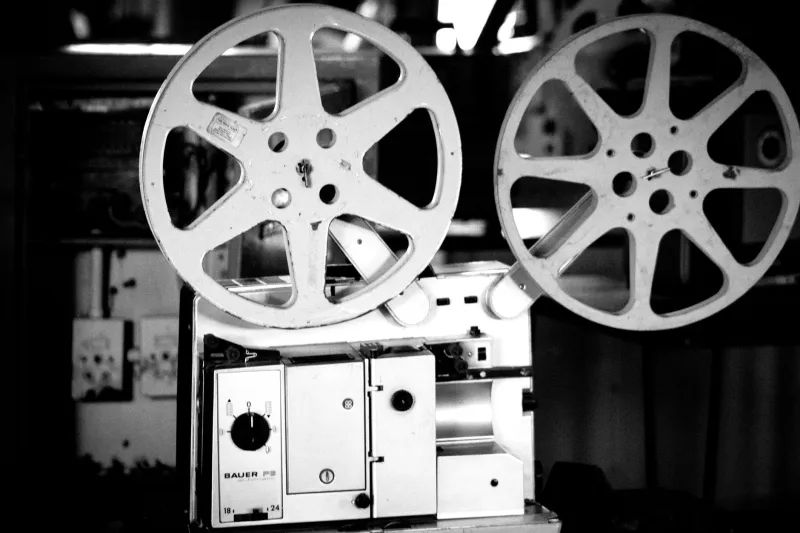
Last of the Lamp Room: The Race to Train Britain's Next Projectionists Before It's Too Late
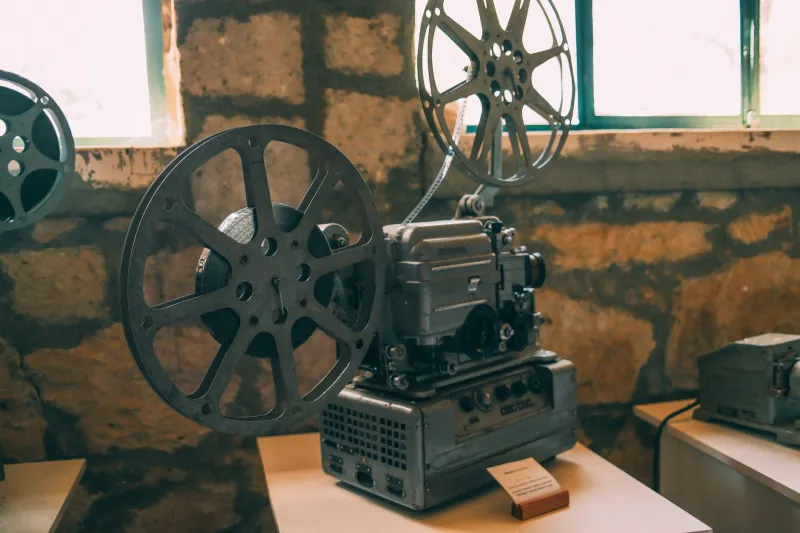
There's a particular kind of silence that falls over a cinema when the projector stops mid-reel. Not the comfortable dark of an interval, not the hush before a film begins — something more unsettling than either. It's the silence that reminds you just how fragile the whole operation is, and how much depends on one person knowing exactly what to do next.
That person is getting harder to find.
Across Britain's independent cinema sector, venue owners are increasingly candid about a problem they've spent years dancing around: the projectionists who built their technical foundations are retiring, and there is almost nobody coming up behind them. The skills required to maintain, operate and troubleshoot both analogue and digital projection equipment — skills that take years to develop properly — are disappearing faster than anyone in the industry feels comfortable admitting.
The Knowledge That Lives in Hands, Not Manuals
Spend any time talking to veteran projectionists and a pattern emerges quickly. What they know, they learned by doing. By standing next to someone older and watching. By making mistakes on quiet Tuesday afternoons when a botched splice only meant a slightly jumpy frame rather than a ruined Saturday night screening.
Terry Blackwood has been running the projection booth at a small independent in the East Midlands for going on thirty-four years. He can thread a 35mm projector in the dark. He can diagnose a failing xenon lamp by the quality of the light before any warning light triggers. He knows, from feel and from sound, when a platter system is behaving differently than it should. None of that is in a manual. None of it is on YouTube.
"People assume it's all digital now and anyone can do it," he says. "But digital breaks in its own ways. And we still run celluloid. When something goes wrong at half ten on a Friday night, you need someone who actually understands what's in front of them."
The shift to digital projection in the early 2010s convinced a generation of cinema operators that the skills problem had essentially solved itself. Digital systems are more stable, require less hands-on maintenance, and come with manufacturer support contracts. For multiplexes, that logic holds well enough. For independent venues — particularly those still committed to 35mm, 16mm, or mixed-format programming — it's always been a more complicated picture.
The Informal Networks Holding Things Together
Right now, what passes for a training pipeline in the indie cinema sector is largely a collection of informal relationships. Experienced projectionists mentoring younger staff members when the opportunity arises. Cinema owners quietly ringing colleagues two counties over when something breaks and they don't know why. WhatsApp groups where technical questions get answered at midnight by people who probably should be asleep.
It works, after a fashion. But it's fragile, and everyone knows it.
Some venues have started formalising what was previously ad hoc. The Cinema Museum in London has long served as an informal repository of projection knowledge, and a handful of regional film societies have begun running structured technical days — bringing in experienced hands to walk volunteers through the basics of equipment maintenance. The Independent Cinema Office has made noises about expanding its training provision. But the scale of what's available remains stubbornly small relative to the need.
Rachel Osei, who manages a converted mill space in West Yorkshire that screens everything from new British independents to classic horror double bills, started her own informal apprenticeship scheme two years ago after her head projectionist told her he was planning to retire within eighteen months.
"I panicked, if I'm honest," she says. "He'd been with us for eleven years. I realised I'd never really thought about what happened when he left."
She now has two members of her front-of-house team working alongside him for a set number of hours each week, learning the equipment systematically. It's costing her in rescheduled shifts and a small training stipend. She considers it non-negotiable.
Why the Industry Struggled to See This Coming
The reasons for the current shortage are layered. Projectionist roles were, for decades, unionised and well-regarded — part of a broader technical craft tradition in British cinema that commanded real professional respect. The decline of that union culture, combined with the multiplex boom and the subsequent automation of many projection functions, gradually eroded both the status and the pay attached to the role.
For a long time, venues could absorb that erosion because experienced people were still around, often working for less than their skills warranted because they genuinely loved the work. That generation is now in its sixties and seventies. The pipeline that should have been building behind them largely wasn't.
There are structural barriers too. Formal qualifications in cinema projection are thin on the ground. Unlike many technical crafts, there's no clear apprenticeship standard, no obvious route through further education, no established relationship between the sector and training providers. Young people who might be brilliant at this work don't know the path exists.
What a Real Solution Might Look Like
The people working hardest on this problem tend to share a view that the solution has to be sector-wide rather than venue-by-venue. Individual cinemas doing their own thing will help at the margins, but it won't produce the volume or consistency of trained people that the industry actually needs.
What they're pushing for — with varying degrees of optimism about whether it'll happen — looks something like this: a recognised apprenticeship standard for cinema projection and technical operations, developed with input from experienced projectionists before that expertise is gone; ring-fenced funding through bodies like the BFI to support structured training placements at independent venues; and a national network of technical mentors who can be called on by smaller cinemas that don't have the capacity to run training in-house.
None of that is impossibly ambitious. Some of it is already happening in embryonic form. The question is whether it moves fast enough.
Terry Blackwood, back in his East Midlands booth, is sanguine about his own position. He'll keep going as long as he can. But he's clear-eyed about what happens if nothing changes.
"In ten years, some of these places won't be able to find anyone," he says. "Not because there aren't people who'd want to do it. Because nobody ever bothered to teach them."
The lamp room is still lit, for now. The reel is still turning. But the interval can't last forever, and the second half needs a projectionist in the booth.
If you work in indie cinema and want to connect with training resources or mentorship networks, the Independent Cinema Office maintains a directory of technical support contacts at independentcinema.org.