Burning Through the Budget: The Quiet Crisis Facing Britain's 35mm Faithful
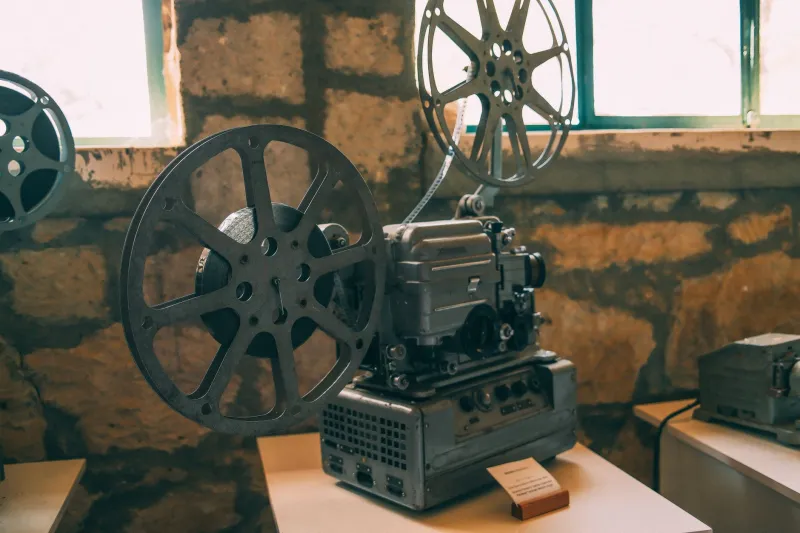
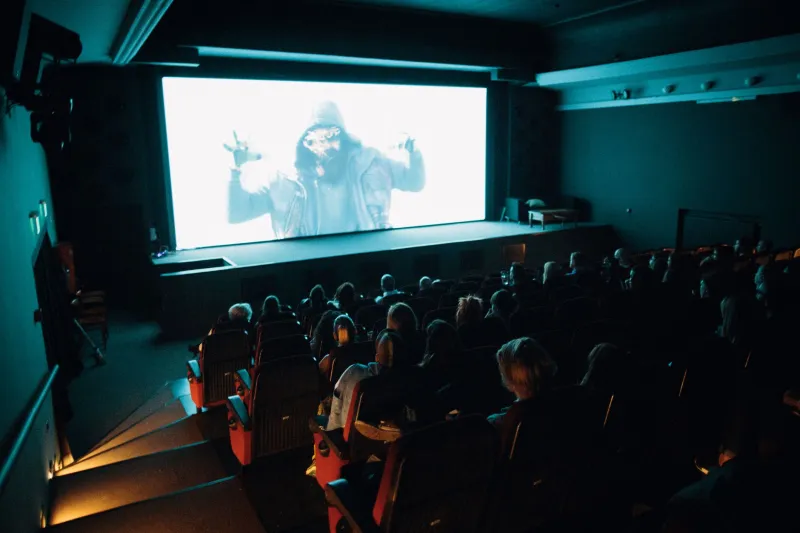
There's a particular sound that regulars at certain indie cinemas know before the lights even drop. A mechanical clatter, a brief flutter, and then — if everything goes right — that warm, slightly unsteady rectangle of projected light settling onto the screen. It's unmistakable. It's also, increasingly, something of a miracle.
Running 35mm in 2025 is not a casual decision. It is a logistical commitment, a financial gamble, and — depending on who you ask — either a principled stand for cinematic integrity or a beautifully stubborn act of nostalgia. Britain's surviving analogue-committed venues are navigating all three simultaneously, often on budgets that would make a multiplex manager wince.
The Gear Doesn't Fix Itself
Mike Alderton has been working with projection equipment since the late 1990s, first at a regional arts cinema in the East Midlands, now as a freelance technician who travels between venues when something breaks — which, with ageing 35mm equipment, is fairly often.
"The machines themselves are fine," he says. "Most of the projectors still running were built to last decades. The problem is parts. Manufacturers stopped making replacements years ago. You're sourcing components from decommissioned equipment, from abroad, from people who stripped down old projection booths before they were demolished. It's archaeology as much as engineering."
The skills shortage compounds things. Projectionist training programmes largely vanished when digital took over in the early 2010s. What remains is largely informal — knowledge passed between enthusiasts, YouTube tutorials of varying reliability, and the occasional workshop run by organisations like the Cinema Museum or the British Federation of Film Societies. Venues that want to run analogue screenings regularly either need someone on staff who's self-taught, or they need to bring in a specialist. Neither option is cheap.
"I've had venues ring me in a panic the morning of a screening," Alderton admits. "Print's arrived, something's wrong with the gate, they've got forty people coming. That's not a great position to be in."
What the Audience Actually Wants (And Whether That Matters)
Here's the uncomfortable bit. Ask a general cinema-going audience whether they'd prefer a pristine digital projection or a slightly scratched 35mm print, and a significant number will choose the former. Grain, occasional flicker, the risk of a reel change going slightly awry — these are features to the converted, and bugs to everyone else.
Sarah Okafor programmes at a small independent in South Yorkshire that has, against considerable odds, maintained its 35mm capability alongside a digital setup. She's diplomatic about audience expectations, but honest about the tension.
"When we programme a 35mm screening and market it properly — explain what it is, why it matters, what you're actually going to experience — we get a really engaged crowd. People who've sought it out. But if someone just turns up expecting a normal night out and the print's got a bit of damage or the focus shifts, you can see them getting frustrated. They haven't signed up for that."
This is the philosophical fault line running through the whole conversation. Is 35mm a presentation format, or is it an event? Because if it's the latter, it changes everything about how you programme it, price it, and talk about it.
The Cost Calculation Nobody Wants to Do Out Loud
Print hire isn't standardised. Depending on the title, the distributor, and the condition of the print, a single 35mm screening can cost significantly more than its digital equivalent — and that's before you factor in the projection technician, the time spent inspecting and threading the print, and the very real possibility that something will go wrong.
For venues operating on Arts Council grants and bar revenue, this is not a trivial consideration. Several cinema managers Away Days Film spoke to were reluctant to give specific figures — there's an understandable anxiety about appearing to complain about the very thing their identity is built around — but the picture that emerged was consistent. Analogue screenings regularly run at a loss. They're subsidised by digital programming, by event hire, by the goodwill of staff who'll put in extra hours because they believe in it.
"It's a labour of love, but love doesn't pay the electricity bill," says one venue manager who asked not to be named. "We do it because it's important to us and to a section of our audience. But I'd be lying if I said it wasn't a strain."
Preservation or Performance?
There's a further wrinkle that doesn't get discussed enough: the tension between running prints and protecting them. Some of the 35mm material still in circulation is genuinely irreplaceable. Prints of obscure British films from the 1960s and 70s, exploitation titles that were never properly archived, regional productions that exist in only a handful of copies. Every time you run one through a projector, you risk damaging it.
The British Film Institute and various regional film archives have policies around this, and rightly so. But it creates an odd situation where the most historically significant material is also the least likely to be seen — kept in climate-controlled storage while audiences are offered the more robust prints of titles that already exist in digital form anyway.
"There's a version of 35mm culture that's become quite self-defeating," argues one archivist who works with several northern venues. "We fetishise the format but protect the actual artefacts so carefully they never get used. Meanwhile the films that genuinely need audiences — the weird, forgotten stuff — sit in boxes."
Is This Becoming a Luxury?
The honest answer, which nobody particularly wants to say plainly, is yes — a bit. The venues best positioned to run analogue programming regularly are those with either substantial grant funding, a wealthy donor base, or a large enough cult following to fill seats at a premium price point. A few London venues can charge for the 35mm experience and find takers. That's harder in Doncaster or Dundee.
This doesn't mean it's not worth doing. The argument for keeping analogue projection alive in British cinema culture is real and serious: it preserves skills, maintains equipment, keeps alive a form of film-going that is genuinely different from anything digital can offer. But pretending the barriers don't exist serves nobody.
The venues still doing it deserve recognition not just for their cinephile credentials, but for the sheer grinding effort involved. Every 35mm screening that goes well — every print that arrives intact, threads cleanly, and fills a room with that particular quality of light — is a minor logistical triumph.
It's just worth being honest about what that triumph costs, and thinking carefully about who gets to experience it.