Popcorn, Peculiarities and the People Who've Seen It All: Life Behind the Curtain at Britain's Indie Cinemas

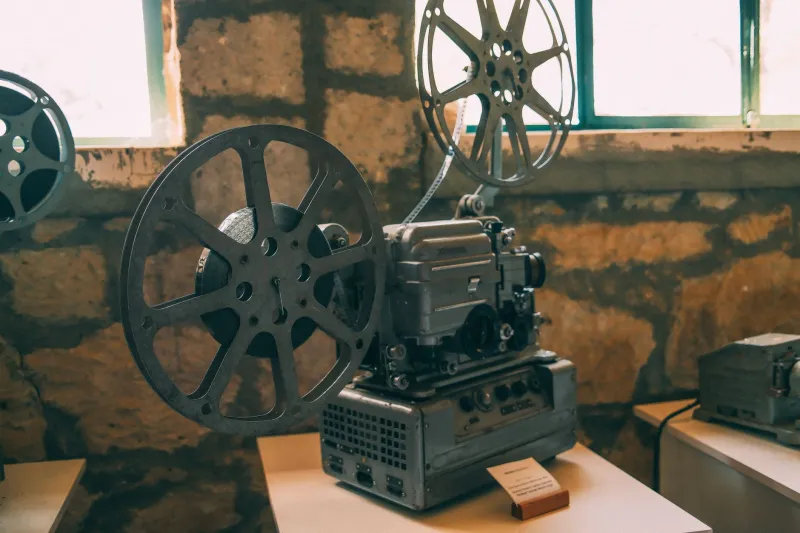
Photo by Photo by Stefano Zocca on Unsplash on Unsplash
There's a particular kind of knowledge that only comes from standing at the back of a dark room, night after night, watching people watch films. Not the films themselves — those you stop really seeing after the hundredth screening — but the audience. The way a crowd shifts in their seats during a difficult scene. The couple who always sit in row D and share one drink between them. The bloke who laughs three seconds before everyone else because he's seen it before but booked again anyway.
The staff at Britain's independent cinemas carry this knowledge quietly. They're not the ones being interviewed on podcasts or namechecked in reviews. But if you want to understand what cult and indie cinema actually means to people in this country — not in theory, but in practice — they're the ones worth talking to.
We did exactly that.
"You Can Tell Within About Thirty Seconds"
Martha has worked the projection booth at a beloved repertory cinema in Bristol for nearly seven years. She can tell you, without checking the booking system, roughly how a screening is going to go based on the queue outside.
"Horror nights, people arrive in groups and they're already buzzing," she says. "There's this nervous, excited energy. Documentary screenings are completely different — people come alone a lot, they're quieter, more deliberate. Like they've made a specific decision to be there."
That sense of deliberateness is something almost every member of staff we spoke to mentioned. Indie cinema audiences, they all agreed, are not passive. They've made a choice — sometimes a fairly inconvenient one involving a train, a babysitter, or a forty-minute drive down an unlit B-road — and that investment shows.
"Multiplex audiences are often just filling time," says Dara, who ushers at an arts cinema in Manchester. "Not always, that's not fair. But a lot of them could've stayed home. Our lot? They wanted this specific film, at this specific place. You feel it in the room."
The Rituals Nobody Talks About
Every regular has them. The woman at a Glasgow cinema who always asks for a black coffee and brings her own biscuits in a tin. The pair at a Midlands picture house who arrive forty-five minutes early, every single time, for no apparent reason other than they like the pre-show music. The man who applauds at the end of every film, regardless of what it was, alone if necessary.
Box office staff become the unofficial keepers of these rituals. Priya, who's worked the front desk at a community cinema in Norwich for four years, has a mental catalogue of her regulars that would put most loyalty scheme databases to shame.
"There's one gentleman who only ever comes to the Sunday matinees," she tells us. "He always asks what the film is about even though he's already bought a ticket. I think he just wants to talk about it before it starts. And then he'll come back out afterwards and say 'yes, that was about right.' Like I'd described it correctly."
These micro-interactions, small as they are, turn up again and again in our conversations. They're not incidental to the indie cinema experience — in many ways, they are the experience. The film is part of it, but so is the place, the ritual, the familiar face behind the counter.
What Actually Keeps People Coming Back
Ask an indie cinema worker what their regulars are really after, and the answers are more nuanced than you might expect. It's rarely just about the film on the bill.
"Community," says Dara, without hesitating. "People want to feel like they're part of something. They want to be in a room with people who get it. The film almost becomes a shared reference point rather than the whole point."
Martha agrees, though she frames it slightly differently. "There's something about watching a film on a big screen in the dark with strangers that you can't replicate at home, no matter how good your telly is. I think people come here to feel things together. Even if they never speak to each other."
That communal dimension is particularly pronounced, staff say, at cult screenings and late-night events. The audience self-selects more aggressively — you're not stumbling into a midnight screening of a 1970s Italian horror film by accident — and the shared investment in the room can be almost tangible.
"The best nights, you can feel the audience breathing together," says Jamie, a projectionist at a cinema in Leeds that runs a regular late-night cult strand. "Everyone jumps at the same moment. Everyone laughs at the same line. It's almost like a live performance."
The Habits That Drive Them Quietly Mad
We'd be doing everyone a disservice if we didn't ask about the other side of this. The habits, the quirks, the things that make indie cinema workers quietly grip the edge of their torch.
Late arrivals, it turns out, are a near-universal grievance. Not the kind who slip in a couple of minutes after the trailers — that's fine, everyone understands — but the ones who arrive twenty minutes into the film, stand in the aisle for an extended period, and then conduct a whispered negotiation about seating that somehow takes longer than the scene they've just interrupted.
"The thing is, they've paid, they've made the effort, they clearly care," says Priya, with the diplomatic restraint of someone who has clearly developed considerable inner resources. "I just wish they'd left the house slightly earlier."
Phones are, perhaps surprisingly, mentioned less than you'd expect. "Our audiences are generally pretty good," says Martha. "Occasionally someone will check a message, but it's not the epidemic people imagine. The ones who come here know the rules, I think. They've self-selected."
The thing that comes up more than anything else? Talking. Not rude, disruptive talking — but the enthusiastic, can't-help-themselves variety that happens when someone has a strong reaction to something on screen and simply cannot contain it.
"It's actually quite sweet, most of the time," Dara admits. "Someone gasps and then whispers to their mate and then they both sort of... fizz. You'd rather have that than a room full of people who don't care."
The Moments That Make It Worth It
For all the logistical headaches, the unsociable hours, and the occasional patron who treats the box office like a complaints department, every single person we spoke to lit up when we asked about the moments that make the job matter.
For Jamie in Leeds, it's the post-screening conversations that spill into the foyer and refuse to end. "You get people who've just watched something that's clearly cracked them open a bit. They're processing it out loud. Sometimes they'll be there an hour after the film's finished. That's what cinema is for."
For Priya, it's the first-timers. The person who's been told by a friend to come, who didn't really know what to expect, and who comes out visibly changed.
"They look sort of dazed," she says. "In a good way. And then they ask when we're showing it again because they want to bring someone."
Martha, perhaps inevitably given her vantage point, describes something more solitary. "Sometimes I'll watch the audience during a particularly quiet moment in a film. Everyone completely still. Completely present. In a world that's basically designed to stop you being present, that's quite something to witness."
She pauses. "I never get tired of it, honestly. Not even close."
Know a cinema worker with stories to tell? We'd love to hear from them. Get in touch via the usual channels.